Introduction of the Book : The art of Reciting The Quran 

Salam Alaikom . I would like to introduce a very interesting book about Quran recitation to those who are interested in learning about it . The name of this book is ” THE ART OF RECITING THE QURAN ” was written by Kristina Nelson . You can buy this amazing book from http://www.Amazon.com  

I will present the Acknowledgments of this book to you and I hope you read the whole book . 
This book is based on my dissertation at the University of California at Berkeley . I conceived the desire and intent to study the recitation of the Quran some years ago , and I am extremely grateful to everyone in Berkeley and in Egypt who helped me to actualize the project . 
In particular , I thank professor Mounah Khouri , who started me on the path of Arabic studies . I am also indebted to professor Bonnie wade for opening to me the new scholarly vistas of ethnomusicology and the social sciences in general and for helping me to form and sharpen the concept of this dissertation into a viable piece of research . 
The research could never have been accomplished without the generous financial support of the social science Research council and the HEW Office of Education Fulbright -Hays Research Abroad program and the letters of encouragement and support I received from their administration . 
In Egypt the list is long : everyone I met in the course of my research was extremely helpful and generous with time , information, and hospitality . I would particularly like to thank the professional reciters I interviewed ( who are listed by name in Appendix A ) . 
They are all prominent and busy men who , without exception , were gracious and generous in sharing their knowledge , experience, talent , and enthusiasm, inviting me into their homes and to their performance . 

The administrators and staff of the religious radio station ” I’da at al – Quran al Karim also showed great interest in the research : not only were they helpful and cooperative in interviews and requests for information on schedule , performance , and the like , but they often anticipated my requests , initiating some introductions and facilitating my attending some otherwise inaccessible performance . 
My great thanks to the director , Dr . Kamil al Buhi , the general secretary , sayx Abd al Hafid . Mr . Ahmad of the technical staff . Mr . Abd al Badi al – Qamhawi .

I would like to thank the members of the Lajnat al Qurra for allowing me to sit in on their sessions , for their patience in answering my Questions , and for their general guidance in directing me to bibliographic sources and to research contexts I might otherwise have missed . 
I thank the late sayx Said al Sahhar ( d . 1983 ) for introducing me to sayx Abd al Fattah al Qadi , and to the activities of the Administration of Quranic Affairs , when he was serving as auditions . I thank sayx Muhammad Musri ‘ Amir for his generous help in obtaining bibliographic material , including his gift of a recently published text , and for his interest and hospitality . 

I thank sayx Rizq Habbah and sayx Afifi I – sakit for their interest and helpful comments . I am grateful to Dr. Mahmud Kamil , professor of music and author , for sharing his expertise with me and for introducing me to activities in the musical world of Cairo . I thank Mr . Ahmad Sidiq , prominent composer , for his interest and support .

I am particularly grateful to engineer Mahmud Mustafa for welcoming me to his weekly listening session and introducing me to valuable contacts , and for his generous donation of his collection of the recorded performance of sayx Kamil Yusuf al Bahtimi , sayx Muhammad Siddiq Al Minshawi , and Muhammad Salamah to the University of California library . 
Over a period of several weeks Mr . Mahmud spent all of his free time copying the tapes with the help of his colleague , Mr . Hasan Sararah . Both Mr . Mahmud and Mr . Hasan were generous in sharing their information and time with me , escorting me to performances , and answering my queries with patience, good humor , and enthusiasm . I thank them both . 
I thank Hajj Husayn Faraj , the hospitable host of another listening session , and patron of reciters , for opening his home to me and including me to the recitation activities he sponsored . 
I am very appreciative of his gift of recordings from his collection . I am particularly grateful for the faithful correspondence of Hajj Husayn and his colleagues , Mr . Abd al – Aziz ‘ Ali Abd al – Latif , in the seven years since I left Egypt . I thank them for their continued interest and their efforts to keep me up to date with news of particular interest to this research . 

I thank all of the participants of these two listening sessions for their interest and comments . I am indebted to Dr . Mahmud Gurab , pharmacist , patron and friend of a great number of Egypt’s professional reciters , and tutor to many of their children .
Dr . Mahmud introduced me to many of these reciters and took me to many communicating it with an irresistible enthusiasm . 

I’m grateful to many teachers : I thank sayx Amir al said Ut – man for allowing me to participate in the recitation class and for his demanding and challenging guidance of my efforts to master the rules of recitation . I thank sayx Abd al Muta al Mansur Arafah for his skilled and patient teaching . My study with him was , perhaps , the key which unlocked this dissertation , and his support and vigilance over my progress was , and continues to be , invaluable . I thank Mr . Mansi Amin Fahmi for helping me to understand the musical aspects of recitation and to appreciate the skill and talent of the reciters . His lessons were always a delight . 

I thank the administrative staff of the institute of Qiraat for their active interest in the project . 

I am grateful to Mr . Muhsin al – Sirbini , director of the Office of Administration of Quranic Affairs ( in the Ministry of Religion Endowment ) for all his help . I thank Sayx Abd al – Fattah al Qadi for his interest and for sharing with me the benefits of his scholarship . I am appreciative of the help given me by Dr . Hamasah , professor at the American University in Cairo and Dar al Ulum , who introduced me to sayx Mahmud al Tablawi . I thank Mr . Suleiman Gamil , Egyptian music critic and composer , presently the cultural attach at the Egyptian Embassy in Brussels , for sharing with me his insights and expertise . I thank Dr . Hasan al Safil , scholar and teacher at Dar al Ulum , for his support , comments , and careful consideration of my material . I also thank Dr . Sa’id al Masri for sharing his knowledge with me and for making his extensive collection of recording of Egyptian music and recitation available to me . 

I thank Mme . Bruxanne Ahmad Amin for her cooperation in letting me copy material from the library of the Egyptian Puppet Teacher . I also owe thanks to the personnel of the audio- visual department of the American University in Cairo for allowing me to use the tape-copying service . 

My special thanks to those who helped turn the dissertation into the book . I value the experience and unflagging encouragement of my editor , Daniel Goodwin , and the support and advice of Richard Martin and Ira Lapidus . For help on linguistic terminology , I thank John McCarthy and Anthony Woodbury . I am especially grateful for the careful reading and insights of Humphrey Davice , Pamela Swing , and Tom Turino . 

Finally , to all those , too numerous to name or single out , who offered their help , opinions , and insights with sincere interest and warm support , I offer my grateful appreciation . 

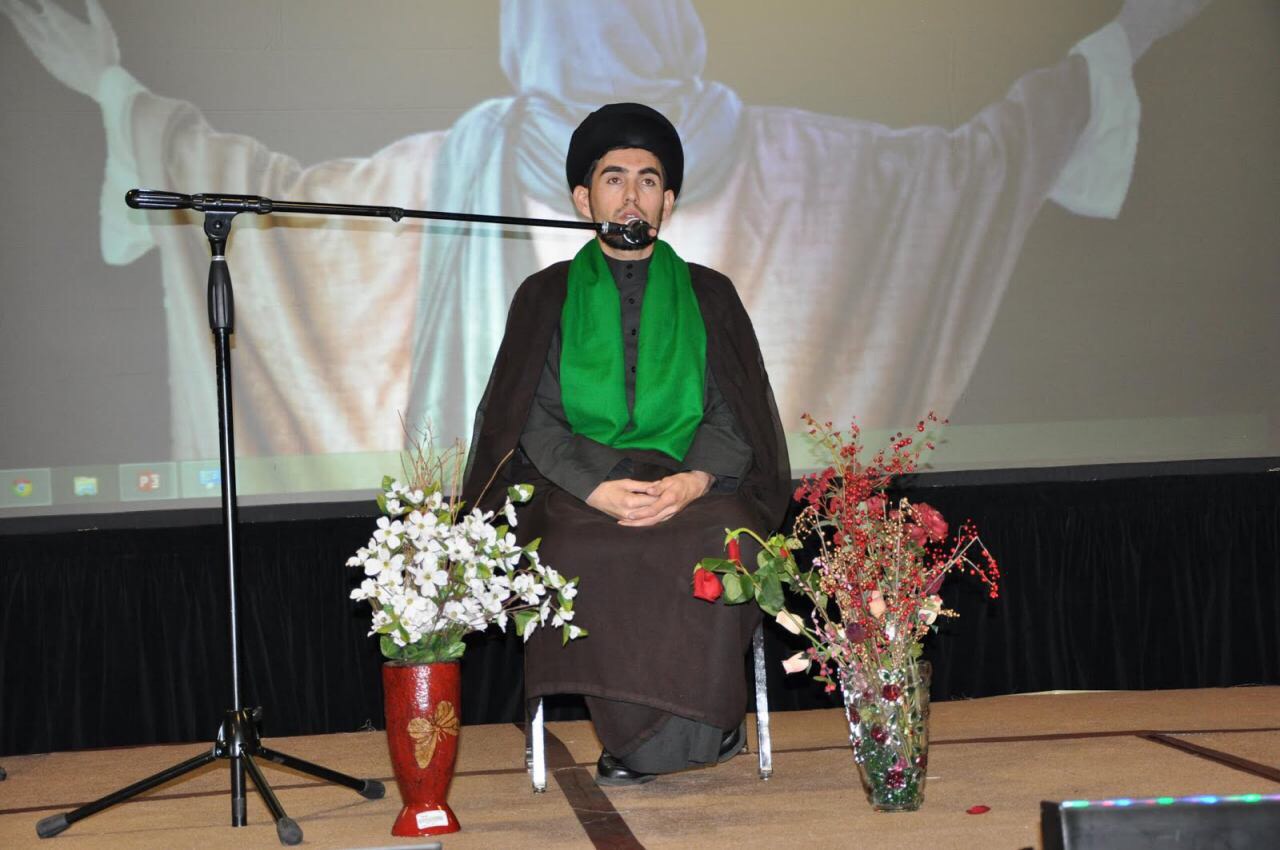
A beautiful Quran recitation from Surah Al Fatiha , recited by Qari Sayed Abazar Wahedy . ( with the mentioning the Maqamat of each part ) تلاوة رائعة من سورة الفاتحة . السيد اباذر الواحدي مع ذكر المقامات . تلاوت زيباي سيد اباذر واحدي از سوره مباركه حمد همراه با ذكر نام تمامي مقامات و ألحان مربوط به هر فراز . 

​​​

1: Qarar of Maqam of Seeka (قرارمقام السيكا ) ayah number one and two and three . 

2: Continues with the same maqam from ayah number two to the first part of ayah number 5 . ( إياك نعبد ) . 

3: continues with the same maqam from ayah number two to the first part of ayah number 5 . (إياك نعبد ) .

4 : Reapeting two times the last first part of Ayah number five (إياك نعبد ) with the same Maqam but Jawab of Seeka. 

5: completes ayah number with the same .

6: Ayah number 6 . Qarar of seeka. 

7: ayah number 7 starts with Qarar of seeka and ends with Jawab. 

8 : with ( الله اكبر ) and connects it with the first ayah starts from the beginning of the Surah and change Seeka to the Jawab of The maqam of Raast. Ayah number 1 and 2 . 

9: starts from ayah number 2 with the jawab of Raast until in the first part of ayah number 5 ends up with maqam Seeka .( إياك نعبد ) . 

10 : He repeats ayah number 5 in maqam Bayati ( بياتي ) . 

11: He continues the same Maqam from ayah number 1 to the first part of ayah 5 ( إياك نعبد  ) . 

12: He continues with the same from the second ayah until ( إياك نعبد ) . 

13: He recits ayah number 5 with Nahawand ( مقام الهناوند ) . 

14 : He repeats the same Ayah with the same maqam . 

15: He recites from Ayah number 2 until ayah number 5 with Nahawand . 

16 : repeats ayah number 5 but changes from Nahawand to Raast . 

17: Ayah number 6 continues with Raast . 

18 : repeats the same ayah with same Maqam but finishes it with Ramal . 

19 : Ayah number 7 continues with the maqam Raast but in Jawab . 

20 : repeats Ayah number 6 two times with Raast but in different ways .

21 : Ayah number 7 with the Jawab of maqam Raast .

22: repeats ayah number 7 , changes to Bayati and preparing for landing and ending the performance. 

23: THE END OF HIS BEAUTIFUL RECITATION . صدق الله العلي العظيم . 


Introduction of Irfan(Mysticism) in Islam 

Irfan ( Mysticism ) as a scientific and cultural system contains two subsections or categories : 1 ) : practical Irfan . 2 ) : theoretical Irfan .

1 : practical Irfan :  a ) : responsibilities of individual in relation with on self  . There is a very interesting Narriation ( Hadith ) from Imam Ali ( As ) regarding this point : ” He who knows himself knows His Lord . 
B ) : responsibilities and relation with Cosmos . 
C ) : responsibilities and relation with God . 

Irfan in practice resemble ” Ethics ” . In this part of Irfan path toward Allah is identified and how to traverse the path is taught . 
Imam Ridha ( as ) has said : May Allah bless the one who knows where he comes from , and where he is , and he is headed toward . 

And there is an other Hadith from our beloved prophet ( PBUH&Hf ) regarding this point : 

قال رسول الله صلي الله عليه و آله : ان لربكم في ايّام دهركم نفحات الا فتعرضوا لها : 

In your days of your lives breezes of mercy and blessing from your Lord comes to you , will you not expose yourselves to them . 


An important point : 


Going through the stations and states of being requires a MASTER  who has already been through them , other wise there is a great RISK of going astray . 


I WILL END WITH AN AMAZING SAYING FROM IMAM ALI ( as ) : 

O’ LORD : I DO NOT WORSHIP YOU FOR A DESIRE OF REACHING HEAVEN , NOR DO I WORSHIP YOU OUT OF FEAR OF HELL , EVEN IF YOU WOULD NOT CREAT HEAVEN AND HELL , I WOULD STILL WORSHIP YOU FOR I SEE YOU WORTHY OF IT . 

ELTIMASE DUA . 

SAYED ABAZAR WAHEDY . 

04/06/2017 

Love in Islam 

Love as a human need, plays a key role in providing physical, mental and spiritual wellbeing. Those with self-centered outlook on life, deprive themselves of the beauty love brings about in life and it’s power to connect hearts and create harmony. For those who are God conscious, love is the foundation of their activities and any other form of affection or love will be under the shadow of the divine love they feel toward God.
Affection which is a principle in human life, must be first and foremost for God only. Any love that does not find it’s root in Divine Love, is not a true love. This is why in a verse in the Holy Quran it is stated that: Allah has not placed two hearts in a man’s chest.
As the knowledge of a believer toward his Lord increases and his love for God intensifies, he witnesses more of the divine names and light and his heart manifests none but the light of his Lord.
In a prophetic narration it is said that Allah told Jesus (PBUH) if I see a heart that has no attachment or love toward this world, I will fill his heart with my own love.

Eltemase dua. 

Sayed Abazar Wahedi .

04/04/2017

California . 

5 ways to improve your voice for Qu’ran

Qu’ran recitation is an art of its own. People spend years to master it. We can generally divide Qu’ran recitation into two different categories:

  1. Slow recitation
  2. Fast (relatively) recitation aka Tarteel

Here’s the difference between the two: The slow recitation is typically what Qaris such as Abdul Basit recite (although he also recites Tarteel but he is famous for Tilawah). Tarteel is – compared to the other style – faster. Here’s an example of Tarteel:


And here’s what I mean by “slow recitation”:

This post is about improving Qu’ran recitation for both categories.

1. Connect yourself with the Qu’ran

This may seem obvious but before you begin reciting the Qu’ran, start by connecting yourself with the Qu’ran. This includes making Wudu, purifying soul through abstinence from sinning, and other Ibadat.

2. Don’t eat any food at least 2 hours before recitation

Eating food can slow down your performance. You may struggle with prolonging your breath, clearing your throat, and other issues that will make it difficult to recite.

3. Start with humming

Humming is a great way to start. It preps your throat and helps you set to the right tune. It can be a bit awkward and embarrassing to do this in the stage so before going up the stage hum a bit until you clear out your throat.

4. Don’t drink too much water during recitation

It’s ok to drink water even during recitation but keep it to a limit. It can cause you to slip away from the right tune.

5. Practice, practice practice

No matter how much you prepare your throat you will never have a good recitation until you practice. Start by listening to your favorite Qari and try imitating 100%. Don’t make up your own tones!