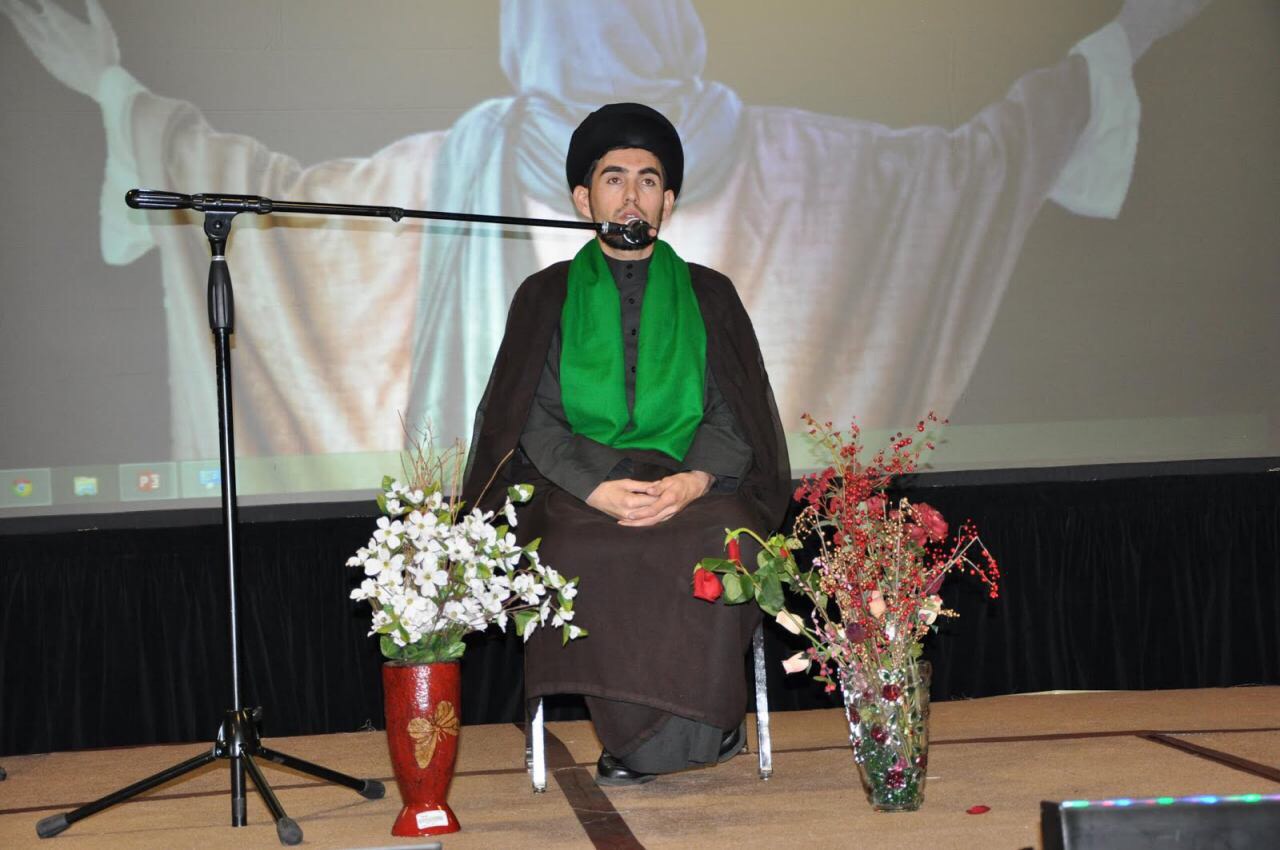
A beautiful Quran recitation from Surah Al Fatiha , recited by Qari Sayed Abazar Wahedy . ( with the mentioning the Maqamat of each part ) تلاوة رائعة من سورة الفاتحة . السيد اباذر الواحدي مع ذكر المقامات . تلاوت زيباي سيد اباذر واحدي از سوره مباركه حمد همراه با ذكر نام تمامي مقامات و ألحان مربوط به هر فراز . 

​​​

1: Qarar of Maqam of Seeka (قرارمقام السيكا ) ayah number one and two and three . 

2: Continues with the same maqam from ayah number two to the first part of ayah number 5 . ( إياك نعبد ) . 

3: continues with the same maqam from ayah number two to the first part of ayah number 5 . (إياك نعبد ) .

4 : Reapeting two times the last first part of Ayah number five (إياك نعبد ) with the same Maqam but Jawab of Seeka. 

5: completes ayah number with the same .

6: Ayah number 6 . Qarar of seeka. 

7: ayah number 7 starts with Qarar of seeka and ends with Jawab. 

8 : with ( الله اكبر ) and connects it with the first ayah starts from the beginning of the Surah and change Seeka to the Jawab of The maqam of Raast. Ayah number 1 and 2 . 

9: starts from ayah number 2 with the jawab of Raast until in the first part of ayah number 5 ends up with maqam Seeka .( إياك نعبد ) . 

10 : He repeats ayah number 5 in maqam Bayati ( بياتي ) . 

11: He continues the same Maqam from ayah number 1 to the first part of ayah 5 ( إياك نعبد  ) . 

12: He continues with the same from the second ayah until ( إياك نعبد ) . 

13: He recits ayah number 5 with Nahawand ( مقام الهناوند ) . 

14 : He repeats the same Ayah with the same maqam . 

15: He recites from Ayah number 2 until ayah number 5 with Nahawand . 

16 : repeats ayah number 5 but changes from Nahawand to Raast . 

17: Ayah number 6 continues with Raast . 

18 : repeats the same ayah with same Maqam but finishes it with Ramal . 

19 : Ayah number 7 continues with the maqam Raast but in Jawab . 

20 : repeats Ayah number 6 two times with Raast but in different ways .

21 : Ayah number 7 with the Jawab of maqam Raast .

22: repeats ayah number 7 , changes to Bayati and preparing for landing and ending the performance. 

23: THE END OF HIS BEAUTIFUL RECITATION . صدق الله العلي العظيم . 


Introduction of Irfan(Mysticism) in Islam 

Irfan ( Mysticism ) as a scientific and cultural system contains two subsections or categories : 1 ) : practical Irfan . 2 ) : theoretical Irfan .

1 : practical Irfan :  a ) : responsibilities of individual in relation with on self  . There is a very interesting Narriation ( Hadith ) from Imam Ali ( As ) regarding this point : ” He who knows himself knows His Lord . 
B ) : responsibilities and relation with Cosmos . 
C ) : responsibilities and relation with God . 

Irfan in practice resemble ” Ethics ” . In this part of Irfan path toward Allah is identified and how to traverse the path is taught . 
Imam Ridha ( as ) has said : May Allah bless the one who knows where he comes from , and where he is , and he is headed toward . 

And there is an other Hadith from our beloved prophet ( PBUH&Hf ) regarding this point : 

قال رسول الله صلي الله عليه و آله : ان لربكم في ايّام دهركم نفحات الا فتعرضوا لها : 

In your days of your lives breezes of mercy and blessing from your Lord comes to you , will you not expose yourselves to them . 


An important point : 


Going through the stations and states of being requires a MASTER  who has already been through them , other wise there is a great RISK of going astray . 


I WILL END WITH AN AMAZING SAYING FROM IMAM ALI ( as ) : 

O’ LORD : I DO NOT WORSHIP YOU FOR A DESIRE OF REACHING HEAVEN , NOR DO I WORSHIP YOU OUT OF FEAR OF HELL , EVEN IF YOU WOULD NOT CREAT HEAVEN AND HELL , I WOULD STILL WORSHIP YOU FOR I SEE YOU WORTHY OF IT . 

ELTIMASE DUA . 

SAYED ABAZAR WAHEDY . 

04/06/2017 

Love in Islam 

Love as a human need, plays a key role in providing physical, mental and spiritual wellbeing. Those with self-centered outlook on life, deprive themselves of the beauty love brings about in life and it’s power to connect hearts and create harmony. For those who are God conscious, love is the foundation of their activities and any other form of affection or love will be under the shadow of the divine love they feel toward God.
Affection which is a principle in human life, must be first and foremost for God only. Any love that does not find it’s root in Divine Love, is not a true love. This is why in a verse in the Holy Quran it is stated that: Allah has not placed two hearts in a man’s chest.
As the knowledge of a believer toward his Lord increases and his love for God intensifies, he witnesses more of the divine names and light and his heart manifests none but the light of his Lord.
In a prophetic narration it is said that Allah told Jesus (PBUH) if I see a heart that has no attachment or love toward this world, I will fill his heart with my own love.

Eltemase dua. 

Sayed Abazar Wahedi .

04/04/2017

California . 

5 ways to improve your voice for Qu’ran

Qu’ran recitation is an art of its own. People spend years to master it. We can generally divide Qu’ran recitation into two different categories:

  1. Slow recitation
  2. Fast (relatively) recitation aka Tarteel

Here’s the difference between the two: The slow recitation is typically what Qaris such as Abdul Basit recite (although he also recites Tarteel but he is famous for Tilawah). Tarteel is – compared to the other style – faster. Here’s an example of Tarteel:


And here’s what I mean by “slow recitation”:

This post is about improving Qu’ran recitation for both categories.

1. Connect yourself with the Qu’ran

This may seem obvious but before you begin reciting the Qu’ran, start by connecting yourself with the Qu’ran. This includes making Wudu, purifying soul through abstinence from sinning, and other Ibadat.

2. Don’t eat any food at least 2 hours before recitation

Eating food can slow down your performance. You may struggle with prolonging your breath, clearing your throat, and other issues that will make it difficult to recite.

3. Start with humming

Humming is a great way to start. It preps your throat and helps you set to the right tune. It can be a bit awkward and embarrassing to do this in the stage so before going up the stage hum a bit until you clear out your throat.

4. Don’t drink too much water during recitation

It’s ok to drink water even during recitation but keep it to a limit. It can cause you to slip away from the right tune.

5. Practice, practice practice

No matter how much you prepare your throat you will never have a good recitation until you practice. Start by listening to your favorite Qari and try imitating 100%. Don’t make up your own tones!