An amazing lesson from Shaheed Mutahhari ( English & Farsi )
✅ Difference Between Sincere and Habitual Acts of Worship..
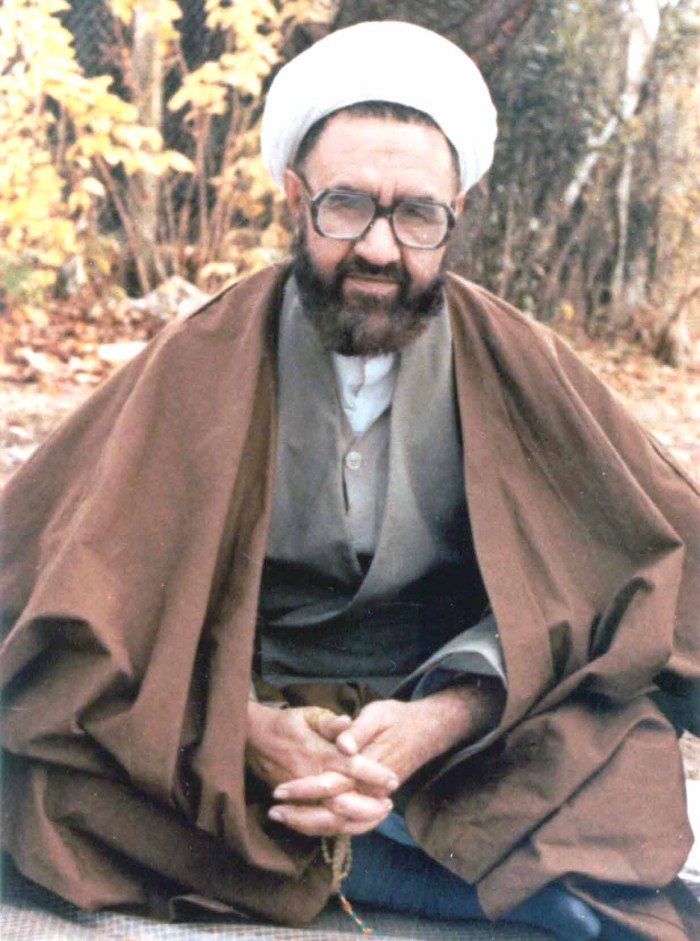
☑️Ayatollah Motahari states:
🔸The basis of Akhlaq is this, that one’s intention should govern over desires and habits. In fact, it should also govern good habits, because if one does not have volition behind good habit then that good is not good anymore.
For example, we have to perform prayers, but not such that it becomes shaped by habit.
From where can we know that our prayers are habitual or not?
We have to see.. do we perform all of God’s commands the way we perform prayers (or not)? If we do then it shows that our performed actions have been performed for God.
However, if we do usury and simultaneously perform prayers with all it’s recommended prescriptions, and we are treacherous with others secrets, belongings and lives while never missing ziyarat Ashura.. then we know these are not deeds of worship, but rather habitual”.
📚”Islam and the Needs of Contemporary Time” vol. 1, pg. 210-211
@AbodeofWisdom
✅تفاوت عبادت خالصانه با عبادت از روی عادت چیست؟
🔸پایه اخلاق این است که اراده انسان قوی و نیرومند باشد، یعنی اراده انسان بر شهوتش و بر عاداتش حکومت کند. حتی اراده باید بر عادات خوب هم غالب باشد چون کار خوب، اگر کسی به آن عادت پیدا کرد خوب نیست. مثلاً ما باید نماز بخوانیم اما نباید نماز خواندن ما شکل عادت داشته باشد.
از کجا بفهمیم که نماز خواندن ما عادت است یا نه؟ باید ببینیم آیا همه دستورات خدا را مثل نماز خواندن انجام میدهیم؟ اگر این طور است، معلوم میشود که کار ما به خاطر امر خداست. اما اگر ربا را میخوریم، نماز را هم با نافلههایش میخوانیم، اگر خیانت به امانت مردم میکنیم ولی زیارت عاشورایمان هم ترک نمیشود، میفهمیم که اینها عبادت نیست، روی عادت است.

 Sayed Abazar Wahedi
Excellent timing . Great reminder & share. Thank you 👏🏼
LikeLiked by 2 people